
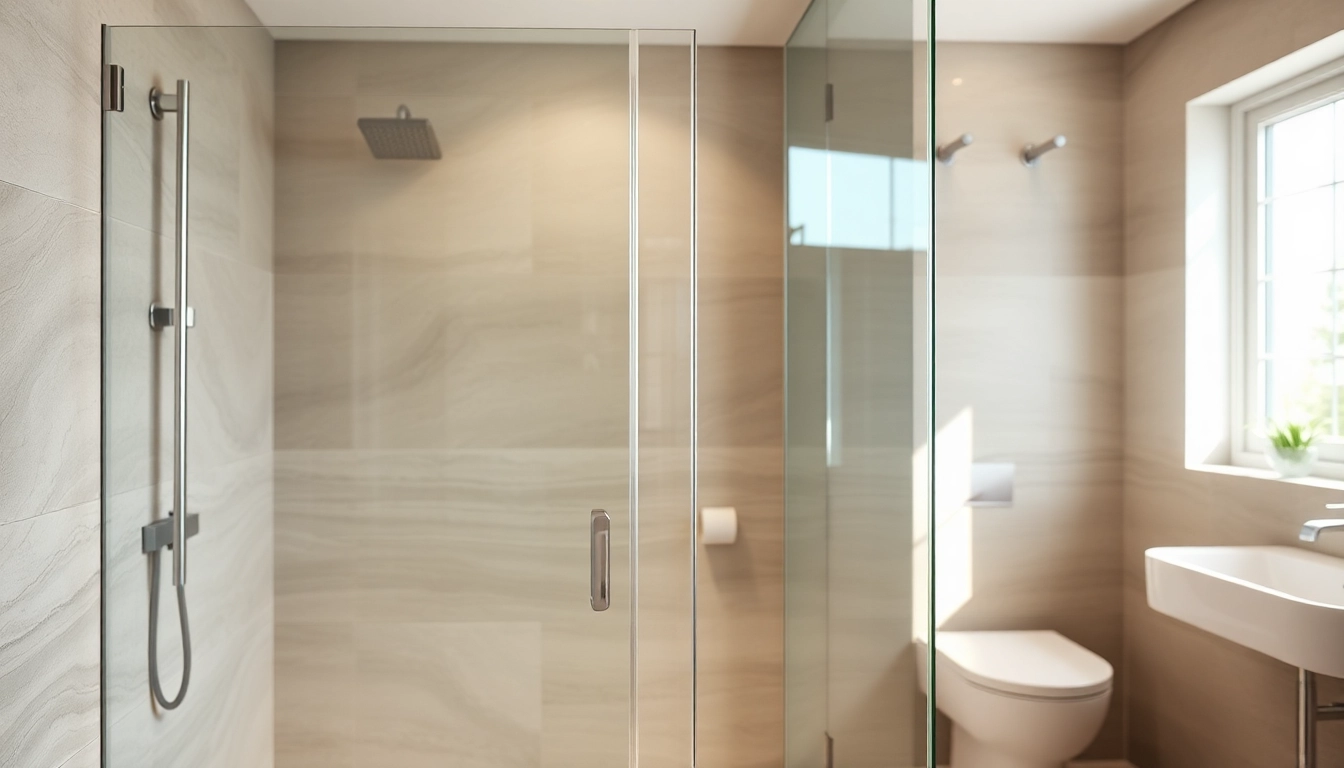
Understanding Wet Room Shower Concepts
What is a Wet Room Shower?
A wet room shower is an innovative bathroom design that creates a seamless transition between your shower area and the rest of your bathroom. Unlike traditional shower setups, which utilize a bathtub or a cubicle, a wet room shower is typically an open space without a door or curtain. The flooring is designed to be waterproof, often utilizing a sloped design to ensure water drains effectively into a recessed shower drain. This concept not only enhances the aesthetic appeal of a bathroom but also significantly improves accessibility—a key factor in modern home design.
Benefits of a Wet Room Shower
Wet room showers offer an array of benefits, making them increasingly popular among homeowners looking to upgrade their bathrooms:
- Spaciousness: The open design eliminates traditional shower barriers, giving the illusion of a larger bathroom.
- Accessibility: Ideal for individuals with mobility issues, a wet room shower provides easier access than traditional setups.
- Enhanced Aesthetics: Wet rooms deliver a sleek, modern look that can elevate the overall design of your bathroom.
- Versatility: They can accommodate various design styles, whether classic or contemporary, and can work in both small and large spaces.
- Increased Home Value: Experts agree that modern bathrooms, including wet room showers, can add to the resale value of a home.
Common Styles and Designs
When it comes to designing your wet room shower, options abound. Common styles include:
- Minimalist: Focused on simplicity, this design utilizes clean lines and neutral colors.
- Luxury Spa: Incorporates high-end features like rainfall showerheads, built-in shelving, and mood lighting.
- Industrial: Features raw materials like exposed pipes and metal fixtures, appealing to a modern aesthetic.
- Traditional: This style embraces classic tiles and vintage fixtures, merging modern functionality with timeless elegance.
Planning Your Wet Room Shower
Choosing the Right Location
Selecting the perfect location for your wet room shower is crucial. Look for a space with easy access to plumbing and drainage. Typically, opting for a corner or an area near existing water lines can significantly reduce installation costs. Additionally, consider natural light sources and how to position your shower to enhance the overall flow of the bathroom.
Essential Design Considerations
When planning a wet room shower, several key design considerations should guide your choices:
- Layout: Determine the most efficient layout based on your bathroom’s dimensions. A U-shaped design can be practical.
- Drainage: Proper drainage systems are essential in preventing water pooling and ensuring effective waste removal.
- Flooring: Opt for slip-resistant tiles for safety, while also considering aesthetics.
- Storage Solutions: Integrate storage to keep essentials handy while maintaining a clean, uncluttered space.
Regulations and Guidelines
It’s essential to adhere to local building codes and regulations when designing your wet room shower. This may include guidelines on plumbing, waterproofing, and safety features. Before commencing any installation, consult with a professional to ensure compliance with all necessary building standards, especially when it involves waterproof materials and construction techniques.
Materials and Finishes for Wet Room Showers
Popular Materials for Shower Screens
Selecting the right materials for your shower screen is vital for durability and aesthetics. Popular choices include:
- Tempered Glass: Highly resistant to impact and thermal stress, offering a clean, modern look.
- Prismatic Film: Provides privacy while still allowing light to filter through.
- Acrylic Screens: Durable and lightweight, available in various colors and styles.
Tile Options and Styles
Tiles play a significant role in defining the look of your wet room shower. Common options include:
- Ceramic: Affordable, available in countless designs, and resistant to moisture.
- Porcelain: Known for its durability and variety, suitable for both walls and floors.
- Natural Stone: Adds a luxurious touch but requires more maintenance due to its porosity.
Waterproofing Techniques
Effective waterproofing is critical in the success of any wet room shower installation. Here are a few techniques:
- Membranes: Use high-quality waterproof membranes to create a barrier against water leakage.
- Sloped Floors: Design the shower floor to slope towards the drain, preventing water from pooling.
- Sealants: Apply waterproof sealants on tiles and joints to reinforce the water resistance.
Installation Process for Wet Room Showers
Preparation Steps
Before beginning installation, thorough preparation is essential. This includes:
- Assessing the Space: Ensure the area is suitable for a wet room shower, considering plumbing and drainage.
- Gathering Materials: Acquire all necessary materials and tools before starting the installation process.
- Professional Consultation: Consulting with a contractor or specialist can help you identify potential challenges.
Key Installation Procedures
The installation of a wet room shower typically involves several steps:
- Creating the Shower Base: Construct a solid base using a waterproof membrane.
- Setting up Plumbing: Install the necessary plumbing for the shower, including drainage systems.
- Applying Tiles: Once the base is set, carefully apply tiles, ensuring proper alignment and sealing.
- Installing the Shower Screen: Finally, fit the shower screen, ensuring an airtight seal to prevent leaks.
Post-Installation Checklist
After installation, conduct a thorough checklist to ensure everything is properly completed:
- Water Flow Test: Run water through the system to check for leaks.
- Clean-Up: Remove any debris and clean surfaces to ensure the wet room is ready for use.
- Final Adjustments: Make any necessary adjustments to the shower screen or fixtures.
Maintaining Your Wet Room Shower
Cleaning Tips for Long-Lasting Shine
To maintain the aesthetic and functional quality of your wet room shower, regular cleaning is vital:
- Use Non-Abrasive Cleaners: Clean with pH-neutral cleaners to avoid damaging surfaces.
- Regular Squeegee Use: A squeegee after each use can help prevent water spots and soap scum build-up.
- Pay Attention to Grout: Regularly scrub grout lines to maintain cleanliness and prevent mold growth.
Addressing Common Issues
Be proactive about maintaining your wet room shower by addressing common issues swiftly:
- Leaks: If leaks occur, promptly check seals and joints for gaps.
- Mold Growth: Regular cleaning and ventilation can help prevent mold; for persistent issues, consider a professional treatment.
- Clogged Drains: Ensure regular cleaning of drains to prevent blockages and odor issues.
Scheduling Professional Inspections
For the longevity of your wet room shower, it’s wise to schedule regular professional inspections. This can help identify potential issues before they become major problems, ensuring continued satisfaction with your investment.
FAQs
What is the average cost of a wet room shower?
The cost varies based on size and materials but typically ranges from £2,000 to £5,000.
Are wet room showers suitable for small bathrooms?
Yes, wet room showers can make small spaces appear larger with a streamlined design.
How do I ensure proper waterproofing?
Use high-quality waterproof membranes and ensure the slope directs water towards the drain.
What anti-slip options are available for wet room floors?
Consider textured tiles, vinyl, or rubber flooring designed for wet environments.
How often should I clean my wet room shower?
Regular cleaning, at least weekly, helps prevent mold and maintain a pristine environment.