
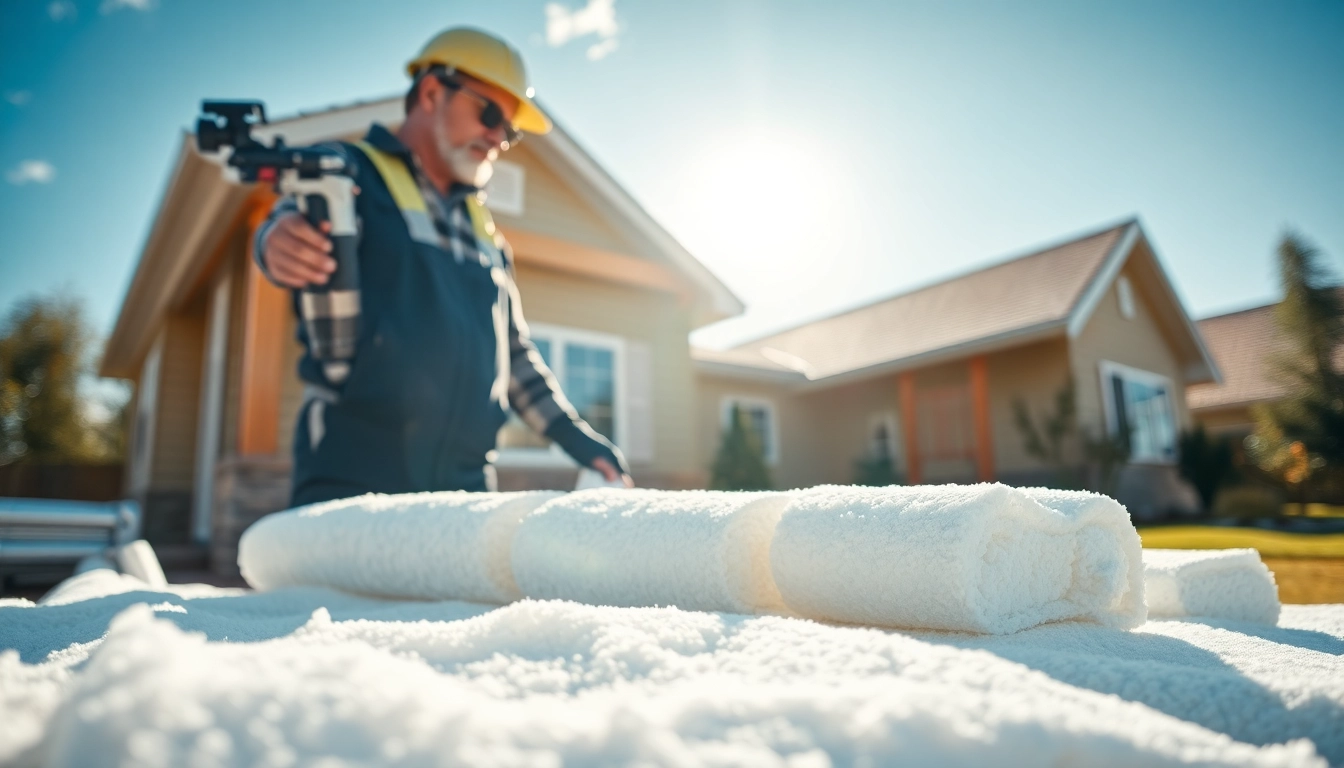
Overview of Spray Foam Insulation
What is Spray Foam Insulation?
Spray foam insulation is a modern insulation solution that consists of a mixture of isocyanate and polyol resin. When these components are combined, they expand rapidly, filling gaps and crevices in walls, roofs, and floors, creating a seamless insulation barrier. This product can come in two types: open-cell and closed-cell foam. Open-cell spray foam is lightweight and less dense, offering flexibility and sound insulation, while closed-cell foam is denser, providing a higher R-value, durability, and moisture resistance. Spray foam insulation is particularly suitable for new constructions, retrofits, and hard-to-insulate spaces.
Benefits of Using Spray Foam Insulation
The advantages of spray foam insulation are significant, making it an increasingly popular choice among homeowners and builders. First and foremost, it provides superior thermal resistance, allowing homeowners to save up to 50% on energy bills by minimizing heat loss in winter and heat gain in summer. Additionally, spray foam acts as an effective air barrier, reducing drafts and enhancing overall indoor air quality.
Moreover, it can help reduce the growth of mold and mildew by eliminating moist air leaks. The insulation is also environmentally friendly, as many products contain renewable resources and have a low impact on ozone depletion. Its versatility means it can be used in confined spaces and irregular cavities, making it ideal for various applications, from attics to crawl spaces.
Common Applications of Spray Foam Insulation
Spray foam insulation is remarkably versatile and can be applied in various settings. Common applications include:
- Attics: Spray foam insulation solves issues related to heat retention and moisture accumulation.
- Basements: Provides effective insulation and moisture control in below-grade areas.
- Wall Cavities: Ideal for new builds or renovations to enhance energy efficiency.
- Commercial Buildings: Often used in warehouses and other commercial settings for its durability and insulation capabilities.
- HVAC Ducts: Helps improve energy efficiency by insulating ductwork.
Factors Leading to Lenders Refusing Spray Foam Insulation
Insufficient Documentation and Requirements
One of the most prevalent reasons lenders may refuse financing involving spray foam insulation is related to documentation. Lenders typically require comprehensive proof that the installation meets specific building codes and manufacturer specifications. Insufficient documentation can raise concerns about the quality of installation and building compliance, leading to outright refusals.
Homeowners seeking financing must understand that simply having spray foam does not guarantee acceptance. They must gather the relevant documents, including installation quality reports, warranties, and specifications, to prove that the insulation meets industry standards.
Risk Assessment and Property Valuation Issues
Lenders often conduct risk assessments and property valuations before approving loans. Because spray foam insulation is relatively newer compared to traditional insulation materials, some appraisers may not fully understand its benefits or properties. This unfamiliarity can lead to perceptions of increased risk, causing lenders to deny financing based solely on speculative issues regarding property value.
If spray foam insulation is not listed as a recognized feature in their appraisal guidelines, appraisers may undervalue the property, prompting lenders to refuse to finance. It’s essential for homeowners to be aware of these potential pitfalls and take proactive measures to educate appraisers and lenders about the advantages of spray foam insulation.
Misconceptions about Spray Foam Insulation
Several misconceptions surround spray foam insulation that can lead to lenders being hesitant in providing financing. For instance, some believe that it is flammable, which is untrue with the correct installation and treatment. Misunderstandings about the effectiveness of spray foam in preventing mold growth and air infiltration can also contribute to skepticism among lenders.
Furthermore, some lenders may perceive high initial installation costs as a red flag, overlooking the long-term savings achieved through energy efficiency. By addressing these misconceptions and providing clear, detailed evidence of compliance with safety standards and benefits, homeowners can pave the way for smoother financing approvals.
Alternatives to Spray Foam Insulation
Comparing Other Insulation Types
When faced with difficulties regarding lenders refusing spray foam insulation, homeowners may want to explore alternative insulation options. Some common alternatives include fiberglass batts, cellulose, and rock wool.
Fiberglass batts are one of the most widely used insulation types due to their cost-effectiveness and ease of installation. However, they may require more frequent upkeep than spray foam to maintain energy efficiency. Cellulose insulation, made from recycled paper products, is another eco-friendly option offering good R-value but may not adhere as well in existing wall cavities. Lastly, rock wool insulation possesses fire-resistant properties, making it a safe choice for many applications.
Cost-Effectiveness of Alternative Options
While spray foam insulation may have a higher upfront cost, its longevity and efficiency can provide substantial savings over time. Conversely, alternatives like fiberglass and cellulose have lower initial costs, but their performances may not offer comparable long-term economic benefits.
For instance, investing in high-quality insulation can result in reduced energy consumption, leading to lower monthly utility bills. Homeowners should consider not only the initial installation costs but also the long-term savings potential when evaluating insulation options. Analyzing lifecycle costs versus energy efficiency payback can help in making an informed decision.
Long-term Benefits of Alternatives
From a long-term perspective, alternatives such as cellulose and fiberglass can provide viable insulation solutions, but they may lack some of the performance characteristics of spray foam. Cellulose is biodegradable and offers excellent soundproofing, but it may settle over time, reducing its R-value. On the other hand, fiberglass insulation does not promote mold growth and is relatively fire resistant but can be prone to air leaks if not installed correctly.
Ultimately, the choice among various insulation types should align with individual preferences, property requirements, and financial capacity. Understanding the pros and cons associated with each insulation type will allow homeowners to choose what best suits their needs and allows for easier financing approval.
How to Address Lenders’ Concerns
Preparing Proper Documentation
Preparing thorough documentation is crucial when applying for financing with spray foam insulation. Homeowners should compile all necessary paperwork, including invoices, installation contracts, warranty information, and compliance certifications. Having certificates from certified and licensed insulation contractors can bolster credibility and convey professionalism.
Moreover, documentation should detail the insulation’s performance metrics, such as R-value ratings and potential energy savings. Presenting a well-structured portfolio of evidence demonstrating the insulation’s benefits will improve the likelihood of lender acceptance.
Choosing Certified Installers
Selecting a trained and certified installer can significantly enhance the chances of lender approval. A reputable insulation company that adheres to industry standards demonstrates a commitment to quality and safety. Lenders often value projects overseen by professionals due to an assurance of reliability and proper installation practices, thereby reducing their risk.
Before hiring an installer, homeowners must check for certifications and affiliations with recognized bodies in the insulation industry. Reviews and testimonials showcasing their previous work can also help determine their level of expertise.
Customizing Solutions Based on Property Needs
Lastly, tailoring insulation solutions to suit specific property needs can help alleviate lenders’ concerns. Factors such as climate, property age, and the building’s specific characteristics should dictate insulation choices and methods. Conducting a thorough assessment of the property can provide insights into the best practices for installation while maximizing energy efficiency.
Furthermore, adapting insulation installation based on structural features or renovations can display a forward-thinking approach to lenders, positioning homeowners as responsible stewards of their property. Custom solutions not only address lender concerns but also improve overall comfort levels and energy efficiency.
FAQs about Lenders Refusing Spray Foam Insulation
Why do some lenders refuse spray foam insulation?
Lenders may refuse due to concerns about property value, installation quality, or documentation requirements.
What documentation do I need for spray foam insulation?
You will typically need proof of installation, product specifications, and payment receipts to satisfy lenders.
Are there alternatives to spray foam that lenders accept?
Yes, other insulation types like fiberglass or cellulose may be more widely accepted by lenders.
Can certified installation help with lender acceptance?
Yes, using certified professionals may alleviate lender concerns regarding installation quality.
What steps can I take if my lender refuses financing?
Consider appealing the decision, seeking alternative lenders, or ensuring proper documentation is provided.