
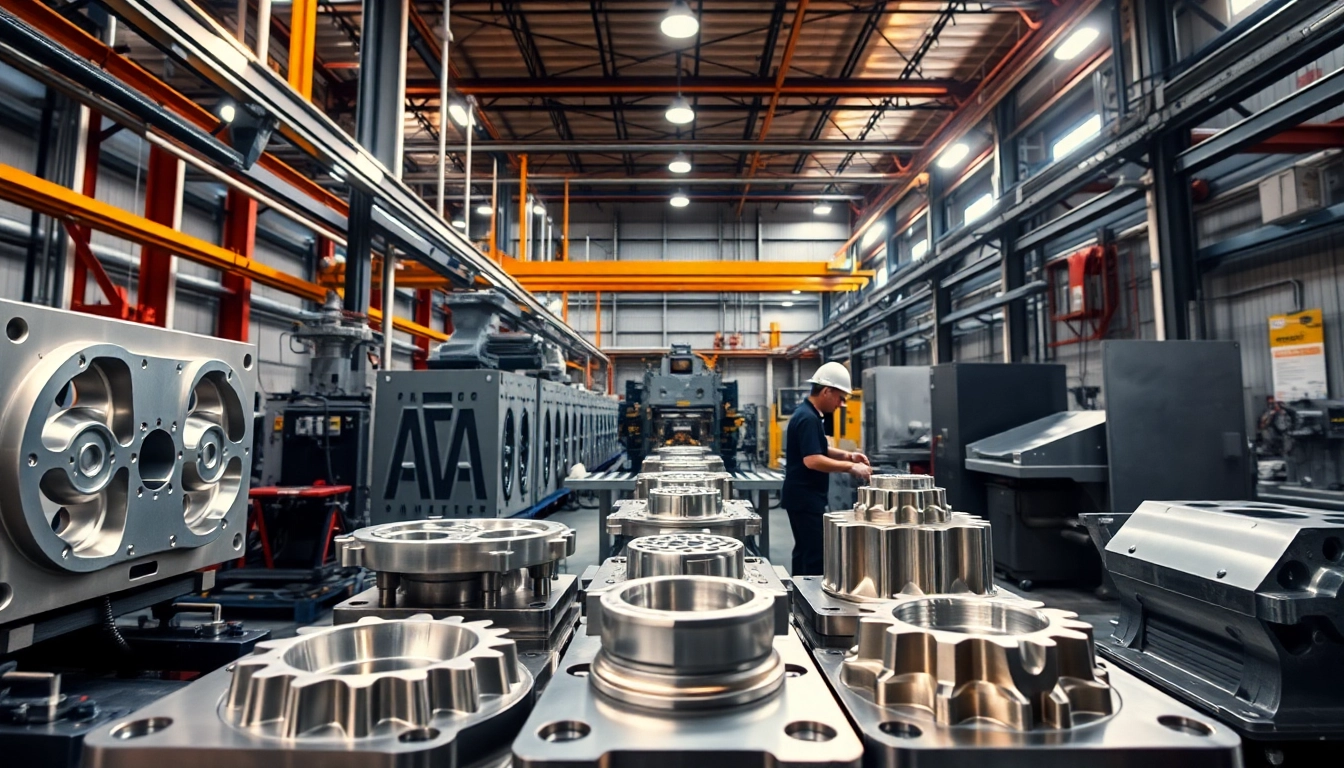
Understanding High Pressure Diecasting in Malaysia
High pressure diecasting is rapidly gaining traction in Malaysia, as manufacturers seek efficient and precise methods to produce components for a variety of industries. This process, characterized by injecting molten metal into reusable molds under high pressure, allows for the creation of complex shapes with superior surface finishes. In a country already recognized for its robust manufacturing sector, understanding the nuances of high pressure diecasting can lead businesses to make informed decisions regarding their production needs. When exploring options, high pressure diecasting malaysia provides comprehensive insights to help you navigate the landscape.
What is High Pressure Diecasting?
High pressure diecasting involves forcing molten metal into a mold cavity under high pressure. This process is primarily used for manufacturing parts from aluminum, zinc, and magnesium alloys. The high pressure ensures that the molten metal fills the mold completely, allowing for intricate designs and minimal porosity in the final product. This technique is revered for its ability to produce a high volume of parts with dimensional accuracy and a superior surface finish.
The Benefits of High Pressure Diecasting
- Cost Efficiency: High pressure diecasting minimizes material waste, reducing overall costs.
- Precision: The method produces components with tight tolerances, which is critical in industries like automotive and aerospace.
- Surface Finish: Parts produced have an excellent surface quality, often requiring little to no machining.
- High Production Rates: This process can produce thousands of parts quickly, making it ideal for large-scale manufacturing.
Common Applications in Various Industries
High pressure diecasting is prevalent across multiple industries, including:
- Automotive: Engine components, transmission casings, and structural parts.
- Electronics: Housings for electrical appliances, computer parts, and fittings.
- Consumer Goods: Production of durable goods such as kitchen appliances and hardware.
- Aerospace: Specialized parts that require lightweight yet robust structures.
The Diecasting Process Explained
The diecasting process can be broken down into several detailed steps, each crucial for achieving quality results. Understanding these steps helps manufacturers streamline their operations for optimal performance.
Step-by-Step Breakdown of High Pressure Diecasting
- Mold Preparation: The molds are designed and prepared, ensuring they can withstand high pressure and temperature.
- Melting the Metal: The selected metal alloy is melted in a furnace until it reaches a molten state.
- Injection: The molten metal is injected into the mold at high pressure within milliseconds.
- Cooling: Once the mold is filled, the metal cools and solidifies, forming the desired part.
- Mold Opening: The mold is opened to remove the newly formed part, which may require finishing processes.
Materials Used in High Pressure Diecasting
The choice of material can significantly affect the quality and properties of the final product. Common materials include:
- Aluminum: Known for its lightweight, strength, and corrosion resistance, aluminum is a popular choice in diecasting.
- Zinc: Zinc alloys offer excellent dimensional stability and are often used in applications requiring intricate details.
- Magnesium: The lightest structural metal, ideal for aerospace and automotive components.
Quality Control Measures in the Diecasting Process
Establishing effective quality control measures is essential to ensure that diecast components meet industry standards. Common practices include:
- Visual Inspections: Regular checks for surface defects and overall appearance.
- Dimensional Testing: Using precise measuring tools to ensure components adhere to specifications.
- Non-Destructive Testing: Methods such as X-ray and ultrasonic testing to detect internal flaws without damaging the part.
Choosing the Right Diecasting Partner
Finding a reliable diecasting partner is crucial for the success of any manufacturing project. Various factors should be taken into account when making this decision.
Key Factors to Consider When Selecting a Manufacturer
- Experience: Look for manufacturers with a proven track record in high pressure diecasting.
- Technical Expertise: Evaluate the manufacturer’s knowledge and technical capabilities in handling specific materials and technologies.
- Capacity: Ensure that the manufacturer can meet your production volume needs without compromising quality.
- Customer Service: A responsive and knowledgeable customer service team can facilitate smoother operations.
Comparative Analysis of Leading Diecasting Companies in Malaysia
In Malaysia, several companies stand out in the high pressure diecasting sector:
- Sena Diecasting: Known for employing advanced diecasting techniques and strict quality control processes.
- HICOM Diecastings: Offers extensive experience in high-pressure applications and has a global footprint.
- Beyonics: Specializes in aluminum die casting with a focus on modern production facilities.
Evaluating Technical Capabilities and Expertise
When assessing potential partners, consider their technical capabilities, including:
- Machinery and equipment quality.
- Innovation in production techniques.
- Research and development efforts to improve processes and materials.
Innovations in High Pressure Diecasting
The diecasting industry is constantly evolving with new technologies and methodologies that enhance production efficiency and product quality. Keeping abreast of these innovations is essential for businesses aiming to maintain a competitive edge.
Emerging Technologies in Diecasting Manufacturing
- Automated Processes: Robotics and automation are streamlining diecasting operations, reducing labor costs and increasing precision.
- 3D Printing of Molds: The use of 3D printing for mold production can significantly reduce lead times and costs.
- Advanced Alloys: Research into new materials offers improved properties, such as reduced weight and enhanced strength.
Future Trends and Predictions for 2025 and Beyond
Looking ahead, several trends are expected to shape the future of high pressure diecasting:
- Increased demand for lightweight materials in automotive and aerospace sectors.
- Greater emphasis on sustainability and eco-friendly practices in production.
- Expansion into markets requiring rapid prototyping and custom solutions.
Case Studies of Innovative Diecasting Applications
Several companies worldwide are adopting innovative approaches to high pressure diecasting with remarkable results:
- Automotive Industry: A leading manufacturer successfully reduced weight in electric vehicle components by using advanced aluminum alloys.
- Aerospace Sector: A firm utilized innovative mold designs to enhance airflow efficiency in aircraft parts.
Best Practices for High Pressure Diecasting Projects
Implementing best practices throughout the diecasting process ensures the highest quality outputs and cost efficiency. Businesses should adopt standard operational procedures that enhance both performance and sustainability.
Design Considerations for Optimal Diecasting Outcomes
- Simplified Designs: Reducing the complexity of designs can lower production costs and enhance part integrity.
- Draft Angles: Incorporating adequate draft angles facilitates easier mold release.
- Weight Distribution: Thoughtful distribution of weight in the design can mitigate warping during cooling.
Cost Management Strategies for Diecasting Projects
Cost control is vital for maintaining profitability in manufacturing. Effective strategies include:
- Investing in high-quality equipment to reduce maintenance and operational costs in the long run.
- Establishing long-term contracts with suppliers for bulk materials to negotiate better rates.
- Conducting regular financial analyses to identify areas of potential savings.
Ensuring Sustainability in Diecasting Operations
As industries shift towards sustainability, diecasting manufacturers must evaluate their operations:
- Recycling Materials: Ensure that scrap materials are collected and recycled to minimize waste.
- Energy Efficiency: Adopt energy-efficient machinery and processes to reduce the carbon footprint.
- Eco-Friendly Materials: Explore the use of biodegradable or less harmful materials in production.
