
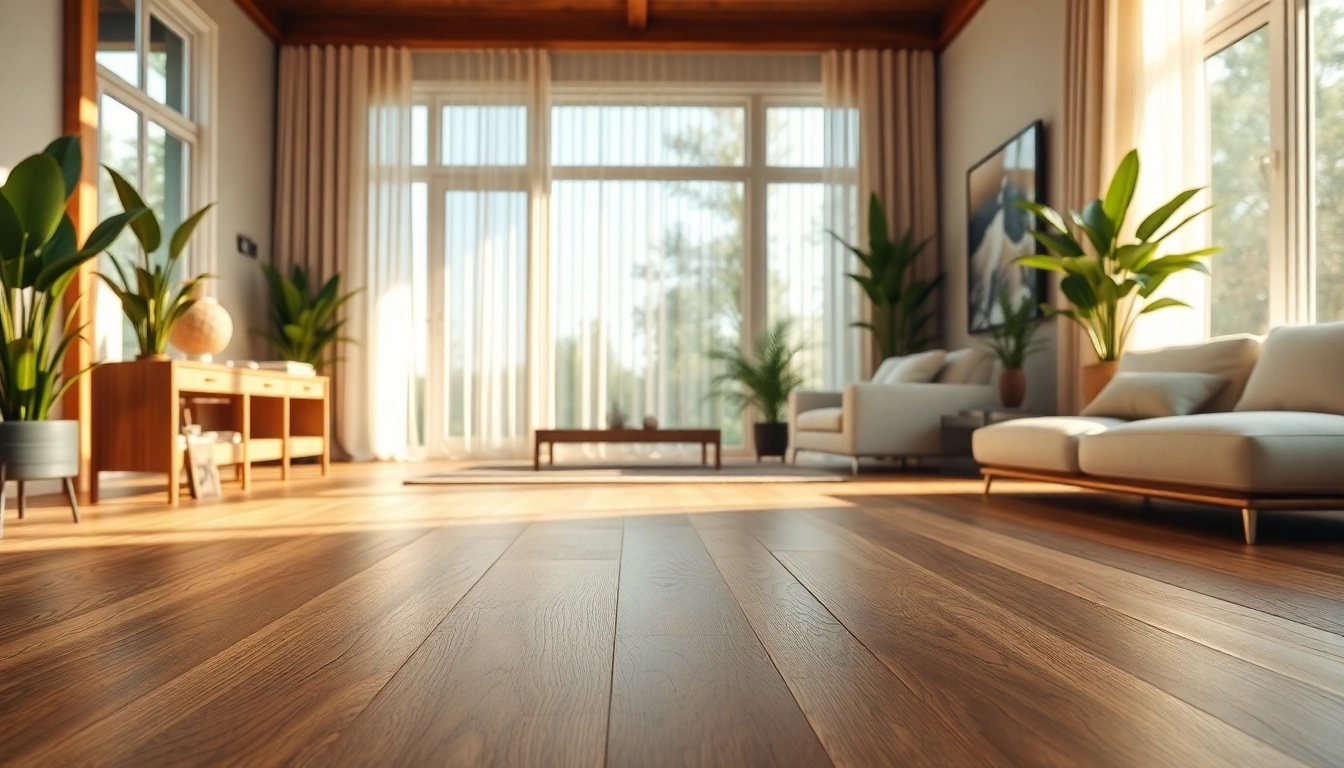
Understanding Vinyl Flooring
What is Vinyl Flooring?
Vinyl flooring is an innovative and versatile flooring option made primarily from synthetic materials such as polyvinyl chloride (PVC). Designed to mimic the appearance of natural materials such as wood, stone, or tile, vinyl flooring is a popular choice for both residential and commercial settings. Its unique composition makes it durable, water-resistant, and generally quite easy to maintain, positioning it as an ideal solution for households with children and pets. A significant advantage of vinyl flooring is its affordability compared to traditional flooring materials, as well as its ease of installation. If you’re searching for vinyl flooring near me, you’ll find various styles and designs that can enhance the aesthetic appeal of your space.
Types of Vinyl Flooring Explained
When considering vinyl flooring, you’ll encounter several types, each with its unique features and benefits:
- Luxury Vinyl Plank (LVP): Resembling hardwood, LVP offers superior cushioning and water resistance, making it perfect for kitchens and bathrooms.
- Luxury Vinyl Tile (LVT): Similar to LVP but emulating stone or tile, LVT is a great choice for those seeking a sleek and modern look.
- Sheet Vinyl: This type is available in large sheets and is ideal for spaces that require seamless installation, such as large bathrooms or kitchens.
- Vinyl Composite Tile (VCT): Comprising a mix of natural limestone, stabilizers, and color blends, VCT is durable and suitable for high-traffic areas.
Advantages of Vinyl Flooring
Vinyl flooring offers a wealth of advantages that make it a favored option for many homeowners:
- Durability: Built to withstand heavy foot traffic and daily wear and tear, vinyl flooring can last for many years when properly cared for.
- Water Resistance: Certain vinyl flooring products are waterproof, making them suitable for areas prone to moisture.
- Aesthetic Variety: With a vast array of colors, designs, and textures, vinyl flooring can accommodate a variety of interior styles.
- Cost-Effective: Generally, vinyl flooring is less expensive than wood or tile, both in terms of material and installation costs.
- Easy Maintenance: Regular sweeping and occasional mopping keep vinyl floors looking their best, requiring minimal maintenance.
Finding Vinyl Flooring Near Me
Importance of Local Suppliers
Finding a local supplier for vinyl flooring is crucial for several reasons. Firstly, local suppliers often have a better understanding of the regional preferences and design trends, which can help you choose a flooring style that complements your home. Secondly, buying locally can enhance customer service experiences, as you can easily inquire about product specifications, warranty support, and installation services. Furthermore, local suppliers usually provide quicker delivery and the opportunity to view the product in person, ensuring you make a well-informed decision.
Searching for Vinyl Flooring Options
When searching for vinyl flooring options, start with these strategies:
- Online Research: Use search engines to explore local flooring stores or suppliers and read customer reviews to gauge their reputation.
- Visit Local Showrooms: Experiencing the products in person can give you a clearer perspective of their appearance and feel.
- Ask for Recommendations: Reach out to friends, family, or neighbors who have recently installed vinyl flooring for their insights on local suppliers.
Comparing Local and Online Retailers
It’s essential to weigh the pros and cons of purchasing vinyl flooring from local versus online retailers. Local stores often provide immediate service and materials, allowing homeowners to physically inspect products before buying. They may also offer expert advice tailored to local conditions. However, online retailers might present a broader range of products at competitive prices. Before you make a decision, consider delivery speed, return policies, warranties, and customer support to identify the best fit for your needs.
Vinyl Flooring Installation Tips
DIY Installation vs. Professional Help
Choosing between DIY installation and hiring a professional often depends on your confidence in home improvement skills and the intricacies of the flooring type. DIY installation can save you money but requires careful preparation and an understanding of the installation process. On the other hand, professional installers come with expertise in the material and can streamline the process, ensuring that your flooring is installed correctly and efficiently, often with a warranty on their work.
Prepping Your Space for Installation
Preparation is key to successful vinyl flooring installation. Begin by removing any existing flooring, ensuring the subfloor is clean, stable, and dry. Measure the area accurately to order the right amount of flooring material, and consider acclimating the vinyl in the installation room to mitigate expansion or contraction. Ensure that all necessary tools, such as a utility knife, tape measure, and straight edge, are readily available.
Post-Installation Care Instructions
After installation, it’s essential to follow specific care instructions to maintain the integrity and appearance of your vinyl flooring. Avoid heavy furniture and appliances on new floors for at least 48 hours, allowing the adhesive to cure properly. Regularly sweep and mop the surfaces with a suitable cleaner to prevent scratches and build-up of dirt. Additionally, using felt pads under furniture legs can help minimize the risk of gouging or scratching.
Choosing the Right Style and Color
Matching Vinyl Flooring to Your Home Decor
When selecting vinyl flooring, consider the existing decor and color scheme in your home. Neutral tones can provide a versatile backdrop, while bold colors or patterns can serve as focal points. Look for a vinyl style that harmonizes with your furniture, wall colors, and overall aesthetic. Consult with an interior designer if you seek expert guidance on balancing colors and creating a cohesive look.
Trends in Vinyl Flooring Designs
A range of design trends are shaping the world of vinyl flooring today. Popular options include wood-look vinyl that captures the essence of hardwood floors, along with sleek, large-format tiles that lend a contemporary feel to spaces. Additionally, eco-friendly options made from recycled materials are gaining traction, appealing to environmentally conscious consumers. Understanding these trends can help you make an informed decision for your flooring project.
Mixing and Matching Patterns
Mixing and matching patterns can elevate the visual interest of your flooring. Feel free to blend various styles, such as pairing classic wood grains with geometric vinyl designs. This approach can create unique spaces that reflect personal tastes while maintaining a stylish look. Just ensure that there is a cohesive element, such as color or texture, unifying the different patterns for a harmonious finish.
FAQ about Vinyl Flooring
How durable is vinyl flooring?
Vinyl flooring is renowned for its durability, typically lasting between 10 to 20 years, depending on usage and maintenance. It resists scratches, dents, and stains, making it ideal for high-traffic areas.
Is vinyl flooring waterproof?
Many vinyl flooring options are waterproof, particularly luxury vinyl products. This attribute makes them suitable for moisture-prone areas such as bathrooms and kitchens.
What’s the average cost of vinyl flooring?
The cost of vinyl flooring can vary widely based on quality, type, and brand. On average, homeowners can expect to pay between $2 to $7 per square foot installed.
Can I install vinyl flooring myself?
Yes, many homeowners opt for DIY installation of vinyl flooring, especially with products designed for easy use. However, following manufacturer guidelines and having the right tools is crucial for success.
How do I maintain vinyl flooring?
Maintaining vinyl flooring involves regular sweeping or vacuuming and occasional damp mopping with a pH-neutral cleaner. Avoid abrasive cleaners to preserve the floor’s finish.