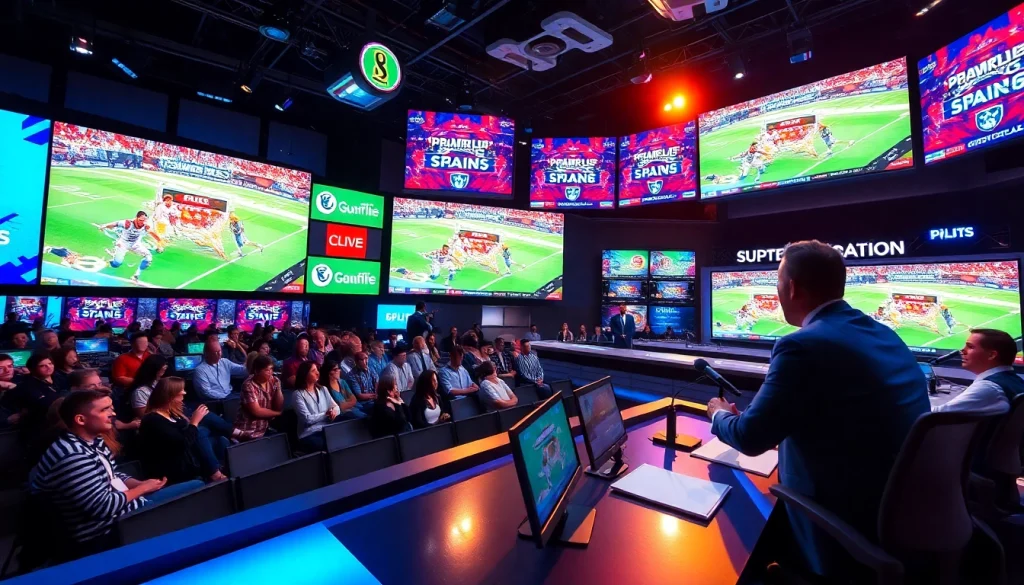
Understanding Sports Broadcasting
Definition and Evolution
Sports broadcasting involves the live transmission or recording of sports events for various media platforms, enabling audiences to experience games as they unfold. Over the decades, sports broadcasting has evolved from simple radio broadcasts to sophisticated television productions and now includes live streaming across numerous digital platforms. Initially, broadcasting began as audio coverage over the radio, allowing fans to follow their favorite teams from afar. The advent of television expanded audience reach tremendously, bringing color visuals and commentary into homes. Today, the landscape is further transformed with the rise of the internet, enabling on-demand viewing and interactive experiences. This evolution of Sports Broadcasting has not only changed how fans consume sports but also how advertisers and sponsors engage with audiences.
Key Components of Sports Broadcasting
Understanding sports broadcasting requires an analysis of several key components. Firstly, the production aspect includes camera work, audio setup, and overall technical management. Engaging graphics and high-quality sound play an essential role in retaining viewer attention. Secondly, commentary adds significant value; experienced broadcasters deliver insights and contextual information that enhance the viewer’s experience. Finally, post-production efforts, such as highlights and analysis segments, are crucial in summarizing the event and extending engagement beyond live broadcasts.
Impact on Audience Engagement
The impact of effective sports broadcasting on audience engagement cannot be overstated. High-quality coverage not only captivates existing fans but also attracts new audiences. The use of immersive technologies like augmented and virtual reality further enhances viewer experience, creating a connection that encourages fan loyalty. Interactive features, such as live polls and social media integration during broadcasts, provide real-time engagement, compelling viewers to participate actively rather than passively watch.
Essential Skills for Sports Broadcasters
On-Air Personality Development
Successful sports broadcasters possess unique on-air personalities that resonate with audiences. This includes vocal tone, pacing, and the ability to convey enthusiasm about the sport being covered. Personal style should also reflect authenticity, allowing broadcasters to connect with their audience on a deeper level. Practicing storytelling techniques can further enhance the narrative, making the sports coverage more relatable and engaging.
Technical Proficiency in Broadcasting Tools
In today’s multimedia environment, a broad understanding of technical tools is essential for sports broadcasters. Familiarity with various broadcasting software, audio equipment, and video editing tools allows for high-quality production. Additionally, mastering live-streaming platforms is crucial as more fans turn to digital environments for viewing sports. Understanding live graphics integration can also provide an edge in delivering dynamic content.
Effective Communication Techniques
Effective communication is at the heart of sports broadcasting. Broadcasters must be able to articulate their thoughts clearly and concisely while maintaining the audience’s focus. This includes the ability to read the game as it unfolds and provide on-the-spot analysis. Training in public speaking, voice modulation, and even improvisation can enhance a broadcaster’s skill set, ensuring they are prepared to handle any situation that arises on air.
Trends Shaping the Future of Sports Broadcasting
Integration of Social Media
The integration of social media into sports broadcasting has changed the way fans interact with their favorite sports. Broadcasters now utilize platforms like Twitter, Instagram, and TikTok to engage directly with audiences before, during, and after games. This presence not only keeps fans informed but also allows for real-time feedback and interaction, making the sports experience more communal and participatory.
Rise of Esports Broadcasting
Esports broadcasting has seen exponential growth, transforming traditional models of sports coverage. With a highly engaged and dedicated audience, broadcasters are beginning to apply techniques from traditional sports to esports, including live commentary, detailed analysis, and player interviews. This rise presents new opportunities for engagement and content creation, and it is crucial for traditional broadcasters to adapt to this emerging landscape.
Advancements in Streaming Technology
Advancements in streaming technology play a significant role in shaping the future of sports broadcasting. Enhanced bandwidth capabilities and efficient compression technologies allow for higher quality and lower latency streams, fostering an unparalleled viewing experience. Furthermore, the rise of 5G technology promises even more significant improvements in mobile broadcasting, making it easier for fans to access content across devices.
Challenges in Sports Broadcasting
Managing Audience Expectations
With the proliferation of content and advancements in broadcasting technology, managing audience expectations has become a critical challenge. Fans expect high-quality content, immediate updates, and interactive experiences that keep them engaged. Broadcasters must continuously innovate and adapt their offerings to meet these evolving demands while ensuring that they maintain audience loyalty amidst competition.
Legal and Ethical Considerations
Legal and ethical issues pose significant challenges in sports broadcasting. Broadcasters must navigate copyright laws, particularly concerning highlights and replays, while also ensuring that their content adheres to broadcasting regulations. Additionally, ethical considerations, such as ensuring fair coverage and avoiding bias, are crucial for maintaining credibility and trust with audiences.
Dealing with Technical Difficulties
Technical difficulties can disrupt sports broadcasts and impede audience experience. Broadcasters must have contingency plans in place to address issues such as equipment malfunctions or poor internet connectivity. Additionally, investing in training and support for technical teams can mitigate risks and ensure that any disruptions are resolved quickly and efficiently, keeping the broadcast as seamless as possible.
Measuring Success in Sports Broadcasting
Key Performance Indicators (KPIs)
Measuring success in sports broadcasting relies heavily on key performance indicators (KPIs). Metrics such as viewer ratings, engagement levels, and social media interactions provide valuable insights into audience behavior and preferences. Analyzing these metrics allows broadcasters to refine their strategies and tailor content to better meet viewer expectations.
Audience Feedback and Analytics
Collecting audience feedback through surveys and real-time analytics can help broadcasters gauge viewer satisfaction. Understanding what resonates with audiences enables broadcasters to enhance their content offering and adjust their approach accordingly. Using analytics tools allows for effective tracking of viewer trends and behaviors, enhancing strategic planning and marketing efforts.
Continuous Improvement Strategies
Continuous improvement is vital for the success of sports broadcasting. Broadcasters should engage in regular evaluations of their content and processes, seeking opportunities for innovation and enhancement. Implementing ongoing training for staff and experimenting with new technologies and formats can lead to enriched viewer experiences and sustained audience engagement over time.
Frequently Asked Questions
What is the primary role of a sports broadcaster?
A sports broadcaster reports on live sports events, providing commentary and insights to enhance viewers’ understanding and enjoyment of the game.
How has technology changed sports broadcasting?
Technology has led to improved production quality, interactive viewing experiences, and real-time engagement through social media, enhancing overall audience experience.
What skills are essential for sports broadcasters?
Essential skills include effective communication, technical proficiency with broadcasting tools, and a charismatic on-air presence that engages audiences.
What are the major challenges facing sports broadcasters today?
Major challenges include managing audience expectations, navigating legal requirements, and addressing technical difficulties during broadcasts.
How can success in sports broadcasting be measured?
Success can be measured using key performance indicators (KPIs), audience feedback, and comprehensive analytics that track viewer engagement and satisfaction.