What is CCTV Analytics?
Definition and Overview
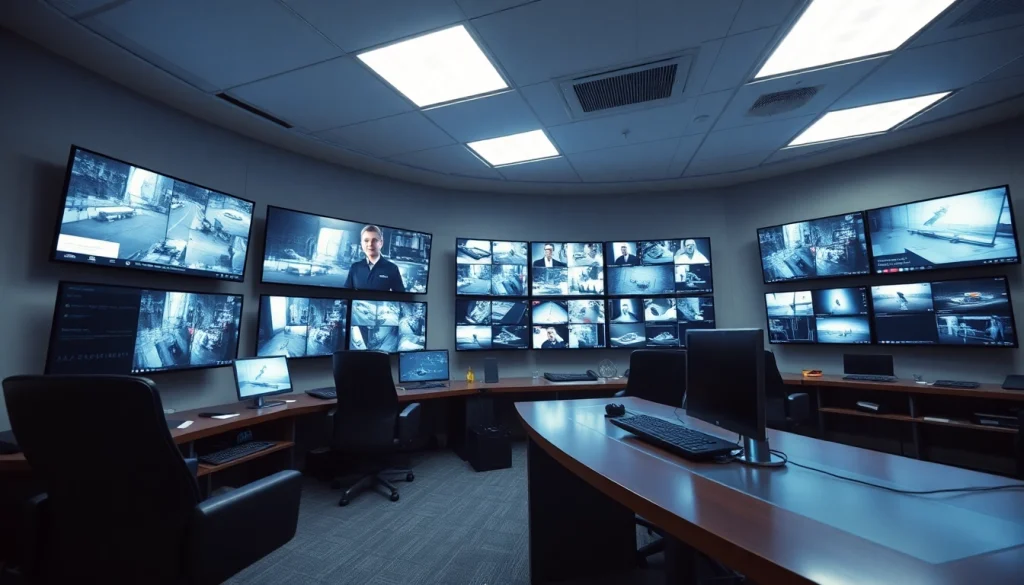
CCTV analytics refers to the intelligent processing of video data captured by closed-circuit television (CCTV) systems. Unlike traditional surveillance, which mainly involves monitoring footage in real time, CCTV analytics utilizes advanced algorithms and technologies to analyze and interpret video data, providing actionable insights. In an age where security is paramount, understanding What is CCTV analytics becomes crucial for businesses and organizations seeking enhanced security and operational efficiency.
Key Features of CCTV Analytics
CCTV analytics encompasses a variety of features designed to enhance surveillance capabilities. Below are some of the key features:
- Motion Detection: Analyzes movement within a designated area, alerting operators to potential security breaches.
- Facial Recognition: Identifies and verifies individuals by comparing their features to a stored database, useful for controlling access.
- License Plate Recognition: Captures and analyzes vehicle license plates for monitoring traffic and enforcing rules within specific areas.
- Object Tracking: Follows specific items or individuals through the camera’s field of view, ensuring they are monitored continuously.
- Behavior Analysis: Detects unusual behaviors or activities that may indicate potential threats, enhancing preventive measures.
Common Technologies Used
Several technologies underpin CCTV analytics, driving its growth and functionality. Key technologies include:
- Video Content Analysis (VCA): This technology enables automatic analysis of video streams, allowing for real-time alerts based on defined criteria.
- Machine Learning (ML): ML algorithms improve system accuracy over time, learning from previous data to reduce false positives in security alerts.
- Cloud Computing: Facilitates the storage and analysis of vast amounts of data off-site, improving scalability and accessibility.
- Internet of Things (IoT): Connects CCTV systems with various devices, enabling more comprehensive data gathering and integration with smart infrastructure.
- Deep Learning: A subset of machine learning that processes video data in multi-layered neural networks for highly sophisticated analytic capabilities.
Benefits of What is CCTV Analytics
Enhanced Security Monitoring
CCTV analytics significantly bolsters security by offering real-time insights into suspicious activities. With features like facial recognition and behavior analysis, organizations can quickly identify potential threats and respond effectively. For example, businesses can set up alerts for unusual activities, allowing security personnel to address issues before they escalate. This proactive approach not only enhances the overall safety of premises but also gives peace of mind to employees and customers alike.
Operational Efficiency Improvements
Beyond security, CCTV analytics can streamline operational processes across various industries. By analyzing foot traffic and customer interactions, retailers can manage inventory more effectively or optimize store layouts to enhance customer experience. With capabilities like license plate recognition, transportation authorities can better manage vehicle flow and reduce congestion. These insights translate to increased productivity and efficiency, ultimately saving time and resources.
Data-Driven Decision Making
Organizations equipped with CCTV analytics can rely on solid data to make informed decisions. Historical data analysis allows businesses to identify trends and patterns, facilitating strategic planning. For example, analyzing peak customer times can help in scheduling staff and resources efficiently, while understanding traffic patterns can aid urban planners in improving infrastructure. This data-driven approach not only supports immediate action but also aids long-term organizational strategies.
Applications of What is CCTV Analytics
Retail Industry Use Cases
In the retail sector, CCTV analytics plays a vital role in enhancing customer service and security. Retailers leverage video analytics to monitor customer behaviors, optimize store layouts, and identify trends in shopping patterns. For instance, a grocery store can utilize heat maps generated from CCTV footage to determine which aisles receive the most foot traffic, allowing for strategic product placements and promotions to maximize sales.
Transportation and Traffic Management
Transportation authorities employ CCTV analytics to manage traffic flow effectively. By analyzing real-time footage on major roadways, officials can gain insights into peak traffic times and accident-prone areas, enabling proactive measures such as traffic light adjustments or rerouting of vehicles. Additionally, video analytics can assist in identifying public transport patterns, leading to improved scheduling and resource allocation.
Smart City Initiatives
Smart cities utilize CCTV analytics as a foundational component of their infrastructure. These systems provide insights to enhance urban living by optimizing traffic management, monitoring environmental conditions, and improving public safety. By integrating CCTV analytics with IoT devices and data from other municipal services, cities can create more responsive and efficient systems that better serve residents.
Challenges and Considerations
Privacy and Ethical Implications
While CCTV analytics provides numerous benefits, it also raises significant privacy concerns. The collection and analysis of video data can infringe on individual privacy rights, necessitating stringent guidelines and regulations to govern usage. Organizations must ensure transparency in their surveillance practices and seek consent where appropriate, balancing security needs with ethical considerations.
Technical Limitations
Despite advancements, CCTV analytics isn’t devoid of technical limitations. Factors such as poor camera quality, challenging lighting conditions, and the complexity of human behavior can affect accuracy. Implementing high-quality cameras and conducting regular system upgrades can mitigate some of these challenges, ensuring reliability and effectiveness in analytics.
Implementation Costs
The initial setup and ongoing maintenance of CCTV analytics can be costly, particularly for smaller businesses. Organizations need to weigh the potential benefits against the costs of hardware, software, training, and ongoing operational expenses. A phased approach to implementation, starting with critical areas and gradually expanding, can help manage costs while allowing the organization to realize benefits incrementally.
Future Trends in What is CCTV Analytics
Integration with AI and Machine Learning
Looking forward, the integration of AI and machine learning into CCTV analytics is set to enhance its capabilities further. These technologies will allow for the more sophisticated analysis of large datasets, facilitating more precise insights and faster decision-making processes. Additionally, as algorithms evolve, they may identify new patterns and anomalies, improving security measures in previously unanticipated ways.
Evolution of Surveillance Systems
The future of CCTV analytics lies in the evolution of surveillance systems towards greater interconnectivity and intelligence. The development of cloud-based solutions will provide organizations with scalable storage options and real-time access to video analytics anywhere, facilitating smarter and more efficient surveillance strategies.
Global Regulatory Changes
As the field of CCTV analytics grows, so too will the need for robust regulatory frameworks to govern its use. Adaptations to existing laws and new legislation will emerge to address concerns related to privacy, data protection, and ethical surveillance practices. Organizations must stay informed about these changes to ensure compliance and maintain public trust while leveraging the benefits of CCTV analytics.
Frequently Asked Questions
What is the main purpose of CCTV analytics?
The main purpose of CCTV analytics is to enhance security monitoring and operational efficiency by analyzing video footage and providing actionable insights.
How does CCTV analytics improve security?
CCTV analytics improves security by using technologies like motion detection, facial recognition, and behavior analysis to identify potential threats in real-time.
What technologies are used in CCTV analytics?
Common technologies include Video Content Analysis, Machine Learning, IoT, and Cloud Computing, all of which facilitate effective data processing and analysis.
What industries can benefit from CCTV analytics?
Industries such as retail, transportation, and smart city initiatives can all benefit significantly from the data-driven insights provided by CCTV analytics.
Are there privacy concerns with CCTV analytics?
Yes, privacy concerns relate to the collection and use of surveillance footage. Organizations need to implement ethical practices and comply with regulations to protect individuals’ rights.