
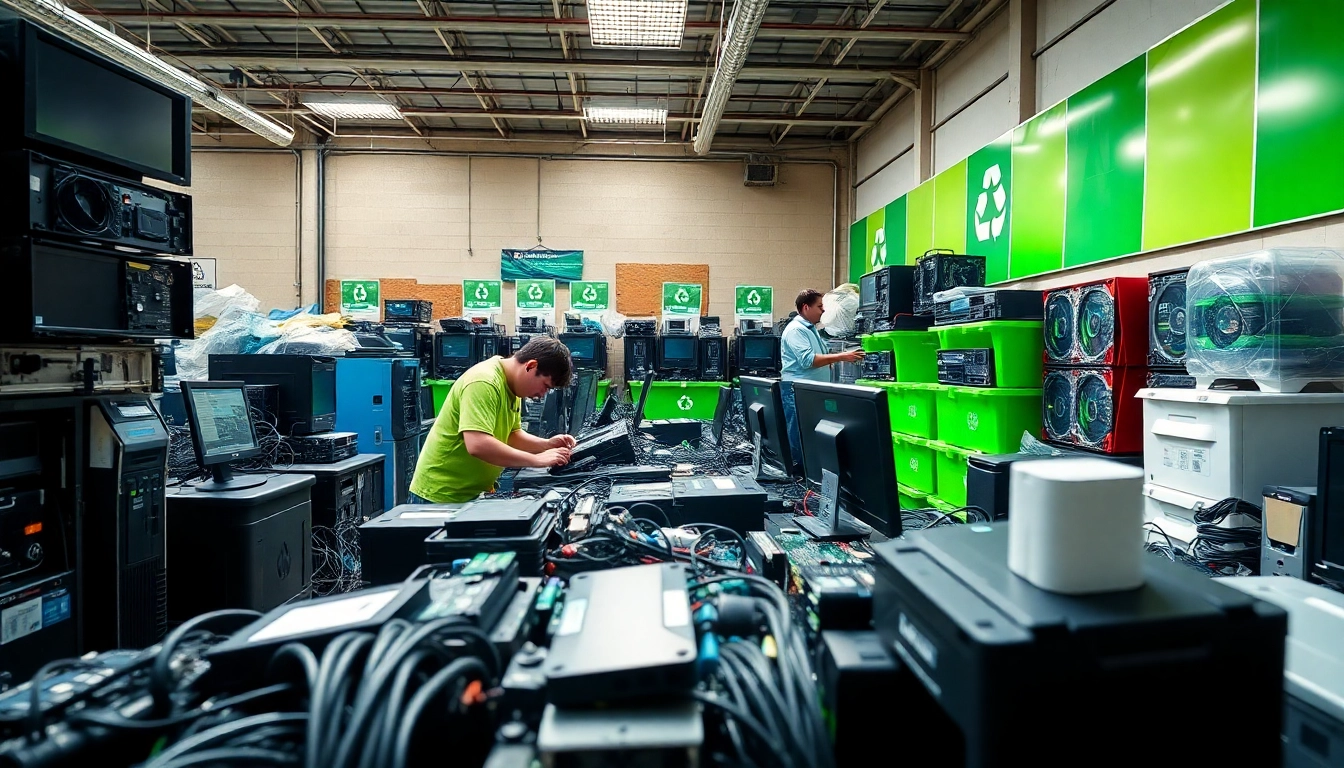
Understanding Free Computer Recycling
What is Free Computer Recycling?
Free computer recycling refers to the process of disposing of outdated or unwanted computer equipment at no cost to the individual or organization. This service is often provided by local governments, non-profits, or specialized recycling facilities. These programs allow individuals to responsibly recycle their electronic devices while ensuring that toxic components are safely handled and that valuable materials are recovered and reused.
Importance of Recycling Electronics
The importance of recycling electronics extends beyond just getting rid of old gadgets. With the increasing reliance on electronic devices, e-waste has become one of the fastest-growing waste streams globally. Electronics recycling helps mitigate the environmental impact of e-waste, conserves natural resources, and promotes sustainability. Through initiatives offering free computer recycling, we can ensure that hazardous materials do not end up in landfills, where they can leach into the soil and water supply.
Environmental Impact of E-Waste
E-waste contains a variety of materials, some of which are toxic, such as lead, mercury, and cadmium. When improperly disposed of, these substances can pollute the environment and pose health risks to humans and wildlife. Recycling, however, helps to recover precious metals and other materials, reducing the demand for virgin resources. Additionally, recycling electronics reduces the energy consumption associated with manufacturing new products, further mitigating climate change.
Benefits of Free Computer Recycling
Saving Money Through Recycling Services
One of the primary benefits of utilizing free computer recycling services is the cost savings. Instead of paying hefty disposal fees or trying to sell outdated technology, individuals can dispose of their electronics without incurring any charges. This not only helps save money but also provides an efficient way to declutter homes and offices.
Reducing Landfill Waste
By opting for free computer recycling, individuals contribute to a significant reduction in landfill waste. Landfills are filling up at alarming rates, and electronic waste constitutes a growing portion of this. Recycling diverts these materials from the waste stream, which helps prolong the lifespan of local landfills and reduces the environmental footprint of discarded electronics.
Contributing to Sustainability
Engaging in free computer recycling practices supports sustainability efforts by encouraging the reuse and recycling of existing materials. This not only helps reduce resource consumption but also promotes a circular economy where resources are kept in use for as long as possible, minimizing waste. Through collective action in recycling, communities can foster a healthier planet for future generations.
How to Participate in Free Computer Recycling
Local Programs Available
Many communities offer local recycling programs that individuals can take advantage of. These programs may include scheduled recycling events or dedicated drop-off locations where residents can bring their old computers and electronic devices. To find out more, residents should check local government websites or municipal offices for information on designated recycling centers and events.
Guidelines for Recycling Your Equipment
Before recycling your computer equipment, it’s essential to adhere to guidelines that ensure proper handling. First, check if the recycling facility accepts your type of equipment and inquire about any restrictions on devices. Moreover, removing any non-electronic components, such as batteries or peripherals, is advisable, as they may need separate recycling. Always refer to local regulations to ensure compliance.
Preparing Your Computer for Recycling
Preparing your computer for recycling involves a few crucial steps. First, back up any important data and perform a factory reset to erase personal information from the device completely. After ensuring that all personal data is securely wiped, remove any removable components like memory cards. Packaging the device appropriately for transport will also help protect it from damage during the recycling process.
Best Practices for Electronics Disposal
Secure Data Destruction Methods
Before disposing of your computer or any electronic device, secure data destruction is vital to protect sensitive information. Effective methods include using data-wiping software that meets industry standards or physically destroying the hard drive. This ensures that personal data is irretrievable, providing peace of mind before recycling.
Choosing the Right Recycling Center
Selecting a reputable recycling center is crucial for ensuring responsible e-waste disposal. Look for certified recycling facilities that comply with national safety and environmental standards. Research the organization’s track record in electronics recycling and read reviews to gauge their reputation. Certified e-waste recyclers are committed to environmentally safe practices, making them the best choice for responsible disposal.
What to Avoid in Recycling
When recycling electronics, avoid using services that may not adhere to environmental standards or that charge hidden fees. Moreover, don’t attempt to recycle items that the facility does not accept, as this could lead to improper disposal. Always stay informed about local laws surrounding electronic waste and choose certified programs to ensure compliance and environmental responsibility.
FAQs on Free Computer Recycling
Where can I find free computer recycling programs?
Free computer recycling programs are typically offered by local governments, non-profit organizations, and designated recycling centers. Check your city or county’s website for a list of available services.
Is there a limit on how many devices I can recycle?
Please verify with your local recycling program, as many have specific limits on the number of devices accepted per visit or household to ensure efficient processing.
What happens to my data during recycling?
Responsible recycling facilities utilize secure data destruction methods. They either wipe data using specialized software or physically destroy hard drives to safeguard personal information.
Are there any fees associated with recycling?
Most free computer recycling programs do not charge fees. However, always confirm with your local recycling facility for any potential costs or restrictions that might apply.
Can I recycle non-computer electronics for free?
Yes, many recycling programs accept a range of non-computer electronics, including printers, televisions, and phones. Always check with your local program for specific details.