
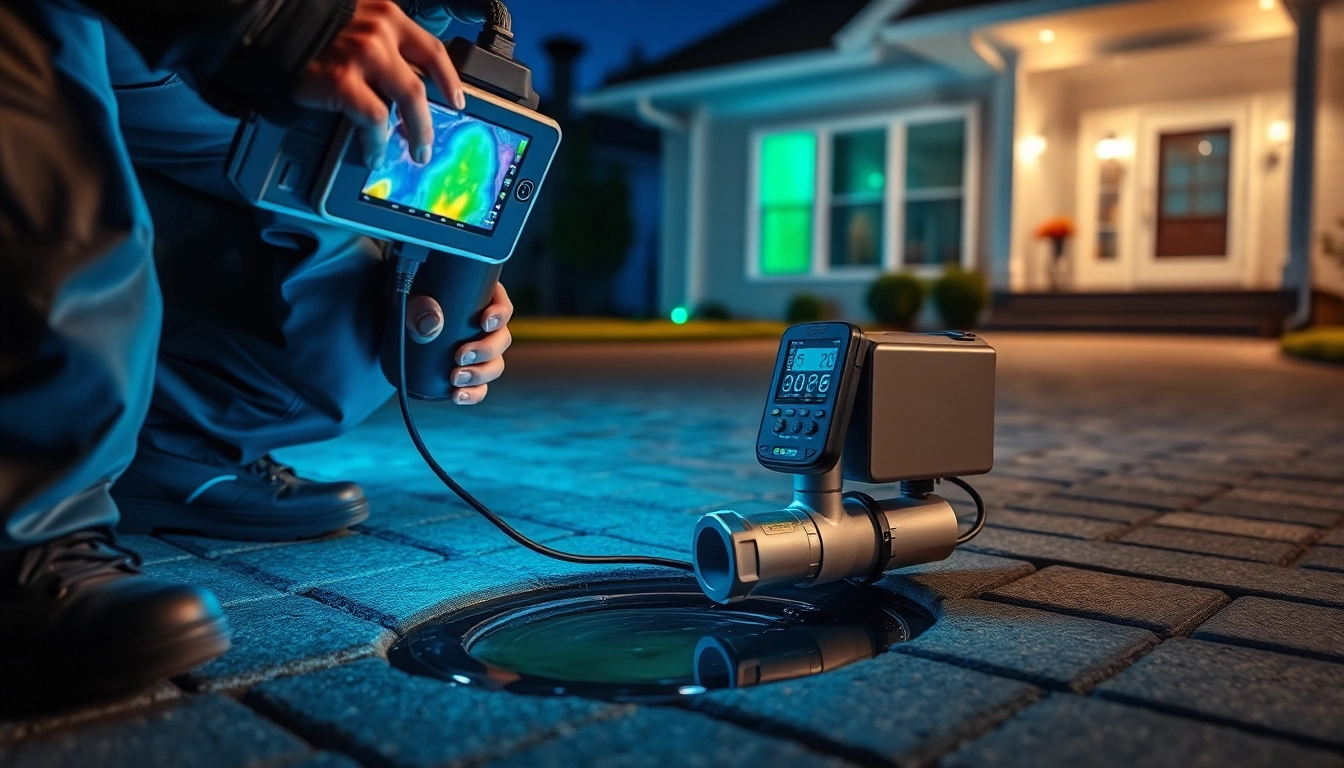
Understanding Underground Leak Detection
When it comes to ensuring the safety and integrity of your property, understanding underground leak detection is crucial. This process involves identifying hidden leaks in your water supply or drainage systems, preventing extensive damage and costly repairs. Underground leaks can be particularly insidious, often going unnoticed until they manifest as significant issues, such as structural damage, mold growth, or plumbing failures. In this article, we will delve into the importance of early leak detection, the technologies employed in the process, and practical steps you can take to mitigate risks associated with leaks.
What is Underground Leak Detection?
Underground leak detection refers to the methods used to identify leaks in buried pipelines or plumbing systems without the need for invasive digging. This specialized service employs advanced technologies and techniques to pinpoint the exact location of a leak. Whether it’s a water line, sewer pipe, or even a gas line, early detection is key to preventing further damage. The process is critical in both residential and commercial properties, as undetected leaks can lead to severe consequences.
Common Causes of Underground Leaks
There are several factors that can lead to underground leaks, including:
- Ground Movement: Shifting soil or settling ground can put stress on pipes, causing them to crack or break.
- Corrosion: Over time, pipes made from metal can corrode, leading to leaks. This is particularly common in older homes.
- High Water Pressure: Excessive water pressure can strain plumbing systems, resulting in leaks.
- Tree Roots: Invasive root systems from nearby trees can infiltrate and damage underground pipes.
Importance of Early Detection and Repair
Identifying leaks as soon as they occur is vital for several reasons:
- Preventing Extensive Damage: Early detection can prevent leaks from worsening, saving you from costly repairs to your property.
- Reducing Water Waste: Detecting leaks can help conserve water, addressing environmental concerns and reducing utility bills.
- Health and Safety: Leaks can lead to mold growth and structural damage, posing health risks to occupants.
Advanced Technologies in Leak Detection
The advancements in technology have significantly improved the accuracy and efficiency of leak detection methods. Various sophisticated tools are now available, allowing technicians to detect leaks without the need for destructive digging.
Using Thermal Imaging for Accurate Detection
Thermal imaging cameras are invaluable in leak detection. They detect temperature differences created by leaking fluids, allowing professionals to visualize anomalies in pipelines. This non-invasive method provides instant results, making it easier to pinpoint issues without significant disruption.
How Acoustic Devices Enhance Precision
Acoustic listening devices amplify sound waves produced by leaking water or gas. Technicians can utilize these devices to detect leaks even when they are buried deep underground. By listening for the distinctive sound of escaping fluid, professionals can accurately locate the source of the leak.
Thermal Cameras vs. Traditional Methods
Traditional leak detection methods often relied on invasive exploration, which could lead to extensive repairs. In contrast, thermal cameras provide a non-destructive, efficient solution. They deliver clear visual representations of potential problem areas, allowing for targeted repairs rather than widespread digging.
Step-by-Step Process for Detecting Underground Leaks
The process of detecting underground leaks typically involves several key stages, ensuring thorough investigation and accurate results.
Initial Assessment and Site Inspection
The first step is conducting a visual inspection of the property to identify any visible signs of leaks, such as water pooling or damp patches. Technicians assess the site to determine the most effective detection methods based on the unique characteristics of the property.
Understanding Pressure Testing Techniques
Pressure testing involves isolating sections of the pipeline and monitoring pressure changes. A significant drop in pressure typically indicates a leak. This method is highly effective for identifying leaks in pressurized systems without disrupting service.
Finalizing Findings with Moisture Mapping
Moisture mapping uses specialized tools to create a comprehensive profile of moisture levels throughout the property. This technique helps determine the extent of water damage, guiding repair decisions and ensuring thorough remediation of the affected areas.
Preventive Measures to Reduce Leak Risks
While detection is crucial, taking preventive measures can significantly reduce the risks of leaks occurring in the first place.
Regular Maintenance and Inspections
Periodic inspections of plumbing systems help identify potential issues before they escalate. Regularly checking for signs of wear, corrosion, or pressure fluctuations can facilitate timely repairs.
DIY Tips for Homeowners
Homeowners can implement several DIY strategies to reduce leak risks:
- Monitor your water bill for unusual spikes in usage.
- Check for damp patches on walls or floors regularly.
- Keep an eye on your garden for unexplained wet spots or plant growth.
Choosing Quality Plumbing Materials
Investing in high-quality plumbing materials can greatly reduce the chances of leaks. Opt for durable, corrosion-resistant materials suitable for your specific environment, and consult with professionals when making upgrades or repairs.
Future Trends in Leak Detection Technology
The future of leak detection is poised for significant advancement, especially with the integration of emerging technologies.
Emerging Tools and Equipment for 2025
In 2025, we anticipate the introduction of even more sophisticated tools designed to enhance leak detection accuracy. Innovations such as drones equipped with thermal imaging and AI-powered detection systems will provide comprehensive surveillance and analysis capabilities.
The Role of AI in Leak Detection
AI technologies are set to revolutionize the leak detection industry. Machine learning algorithms can analyze historical data and identify patterns in leak occurrences, helping technicians forecast potential failures before they happen.
Innovative Solutions for Homeowners
As leak detection technology advances, homeowners will have access to innovative solutions such as smart leak detectors that connect to home automation systems, alerting users instantly when a leak is detected.