
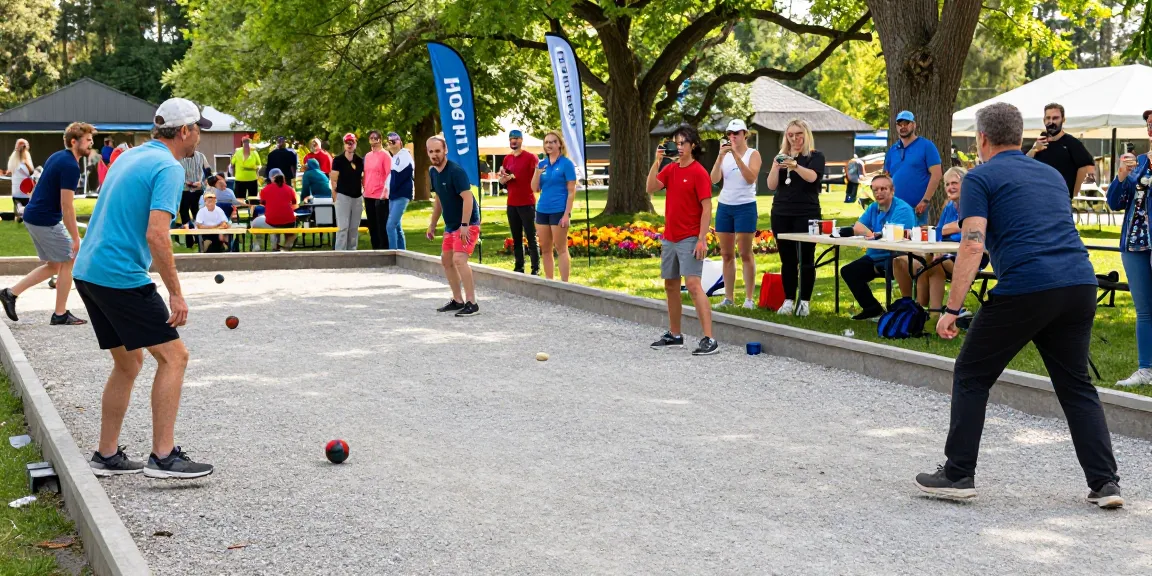
Understanding the Basics of Petanque
Petanque, a game that thrills enthusiasts across the globe, is more than just a sport; it’s a cultural experience that brings people together. Originating from France, petanque has made its way to various corners of the world, including Indonesia, where organizations like fopikotabanjarba.org have been pivotal in promoting this unique game. As we explore the fundamental aspects of petanque, from its origins to the essentials needed to play, you’ll begin to appreciate why it’s becoming increasingly popular, particularly in developing sports communities like Kota Banjarbaru.
What is Petanque and Its Origins?
Petanque is a form of boules where players throw metal balls, known as boules, towards a target ball called the cochonnet. The objective is simple: get your boules closer to the cochonnet than your opponents. Its roots trace back to Provence in the early 20th century, where the game evolved from an earlier variant known as “boules.” As expatriates traveled and settled in various countries, petanque began to spread. In Indonesia, the sport began to surface in the hospitality sector through establishments run by French expatriates.
Key Equipment Needed for Petanque
To start playing petanque, you’ll need a few essential pieces of equipment:
- Metal Boules: Each player or team needs a set of boules, typically made from steel and weighing between 650-800 grams.
- Cochonnet: A small wooden ball that serves as the target.
- Measuring Device: To judge distances between boules and the cochonnet when scoring.
- Proper Footwear: Comfortable shoes with good grip are essential for stability on the playing surface.
Rules and Scoring in Petanque
The rules of petanque are straightforward, making it accessible for players of all ages. A game is typically played in teams of one, two, or three. Each player takes turns throwing their boules towards the cochonnet, and points are awarded based on the proximity of the boules to the target ball at the end of each round. The first team to reach 13 points wins the game. These basic rules allow for a spirited competition and the development of strategic thinking, making every match unique.
Getting Started with Petanque Techniques
As a newcomer to the world of petanque, mastering fundamental techniques is key to enjoying and excelling at the game. Whether you’re playing casually in a park or participating in organized events through FOPI Kota Banjarbaru, honing your skills will enhance your experience and competitiveness.
Initial Throwing Techniques for Beginners
The throwing technique in petanque is crucial. To ensure accuracy, players should practice the following:
- Stance: Stand with your feet shoulder-width apart, knees slightly bent, and weight distributed evenly.
- Grip: Hold the boule firmly but not too tight, allowing for a smooth release.
- Aim: Focus on the cochonnet and visualize the ball’s trajectory.
- Release: Follow through your throw, ensuring a fluid motion to maintain control.
Stance and Positioning: A Guide for New Players
Your stance influences not just your throw but also your comfort while playing. Position your foot closest to the line where you are throwing, allowing for a natural swing of your arm. Many players find it helpful to practice in front of a mirror or with a friend who can provide feedback on their stance and throw.
Common Mistakes Beginners Make in Petanque
Many newcomers to petanque often struggle with the following common pitfalls:
- Overthrowing: Players may exert too much force, resulting in less precision.
- Improper Stance: A poor stance can lead to imbalanced throws and injuries.
- Lack of Practice: Like any sport, consistent practice is essential to improvement.
Strategies to Improve Your Petanque Game
Once you’ve grasped the basics, the next step is elevating your game through strategic thinking and advanced techniques. Standing out in competitions involves understanding both your strengths and your opponents’ weaknesses.
Advanced Techniques for Precision Throwing
Precision throwing can be developed through practice, but consider these advanced techniques:
- Flat Throws: Ideal for covering distance while maintaining accuracy.
- High Throws: Useful for targeting boules that are lodged close to the cochonnet or those that are obstructed.
- Backspin: This can help control the boule’s movement upon landing.
The Importance of Strategy in Team Play
Petanque is often played in teams, which adds a layer of strategy to every game. Communicate with your teammates to develop a game plan based on the strengths of each player. Sharing insights and reading the opponent’s strategies can significantly impact the outcome of a match.
Reading the Terrain: How It Affects Gameplay
The playing surface can greatly affect your boules’ movement. Paying attention to the terrain allows players to adjust their approach and throwing techniques accordingly. Sloped or uneven ground can lead to unpredictable ball behavior, making it essential to adapt your strategy in real-time.
Participating in Local Petanque Competitions
For many players, the thrill of competition is one of the most exciting aspects of petanque. Engaging in local events not only fosters skill development but also builds a sense of community among players.
How to Join FOPI Kota Banjarbaru Events
Joining local competitions organized by FOPI Kota Banjarbaru is straightforward. Interested players can follow FOPI’s official channels for announcements regarding upcoming events. Participating in these competitions ensures that you get the chance to engage with fellow enthusiasts and develop your skills in a more competitive environment.
Preparation Tips for Your First Competition
Preparation is key to a successful competition experience. Here are some tips to help you:
- Practice Regularly: Ensure you’ve practiced your throws and strategies leading up to the event.
- Know the Rules: Familiarize yourself with the competition’s specific rules and format.
- Stay Hydrated: Hydration can greatly affect your performance, especially in warm weather.
- Bring Essential Equipment: Ensure you have all necessary gear, including your boules and measuring devices.
Building Teamwork and Communication in Petanque
Successful teams in petanque rely heavily on effective communication. Establish signals or phrases that help coordinate strategies and movements during the game. As you build rapport with teammates, you’ll start to develop a rhythm that improves your overall performance.
The Future of Petanque in Indonesia by 2026
As we look to the future, the growth of petanque in Indonesia, particularly in cities like Banjarbaru, appears promising. Various factors indicate that this sport will gain further traction over the coming years.
Emerging Trends in Sports Participation
With a rise in sports participation among the youth, petanque is likely to see increased interest as schools and community centers recognize its value. The simplicity and accessibility of the game make it an attractive option for schools looking to introduce new activities to students.
How Petanque is Gaining Popularity in Schools
Educational institutions are beginning to include petanque in their physical education curriculums, providing students with the opportunity to engage in a sport that fosters teamwork and strategic thinking. As more schools offer petanque, we can anticipate an increase in young players passionate about the sport.
Future Events and Tournaments in Indonesia
Looking ahead, FOPI and local organizations are planning more tournaments and events to promote petanque. Regular competitions not only create excitement but also help in identifying and nurturing new talent, further solidifying petanque’s place in Indonesian sports culture.
What is Petanque and how is it played?
Petanque is played by throwing metal balls towards a target, with the aim of having your balls land closest to the cochonnet. It’s a game of skill and strategy that is easy to learn yet challenging to master.
How can I improve my petanque throwing technique?
Improvement comes with practice; focus on stance, grip, and technique while taking the time to analyze your throws and learn from each game.
What local competitions can I participate in?
Joining events organized by FOPI Kota Banjarbaru is a great way to engage with the local petanque community. Regular events are held that welcome players of all skill levels.
What equipment do I need to play petanque?
To play petanque, you need metal boules, a cochonnet, and possibly a measuring device for scoring.
How does FOPI support petanque players in Banjarbaru?
FOPI Kota Banjarbaru offers training, organizes competitions, and helps develop players at all levels, fostering a supportive environment for those interested in the sport.