
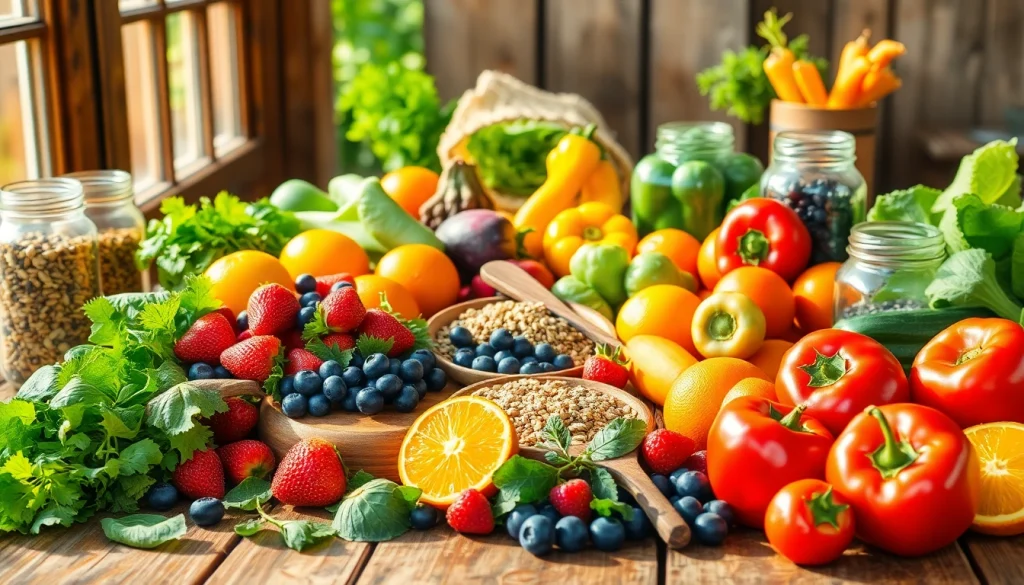
Understanding the Importance of Healthy Food
In a world bombarded by fast food advertisements and processed options, understanding the backbone of Healthy Food is crucial for everyone looking to improve their life quality. Healthy foods are not just a fad – they’re essential structural elements of a balanced diet, contributing significantly to physical health, mental well-being, and overall longevity.
What Constitutes Healthy Food?
So, what exactly is healthy food? Essentially, it encompasses a variety of nutrient-rich products that are low in added sugars, unhealthy fats, and salt. Healthy food includes fruits, vegetables, whole grains, lean proteins, and healthy fats. These foods provide essential nutrients like vitamins, minerals, fiber, and antioxidants, which are vital for the proper functioning of the body.
For instance, fruits such as berries and citrus are packed with vitamins and phytonutrients, whereas vegetables like spinach and kale are excellent sources of vitamins K and A, as well as fiber. Whole grains, such as quinoa and brown rice, provide necessary energy and fiber, while lean proteins from sources like chicken, fish, beans, and legumes are crucial for muscle repair and growth.
The Benefits of Incorporating Healthy Food into Your Diet
The benefits of a diet rich in healthy food are extensive:
- Improved Heart Health: Consuming healthy fats while limiting trans fats can lead to better cholesterol levels and reduced risk of heart disease.
- Enhanced Energy Levels: Foods that are high in nutrients are also conducive to sustained energy levels, avoiding the crashes associated with sugary snacks.
- Weight Management: Healthy foods tend to be lower in calories but high in fiber, leading to feelings of fullness and helping in weight management efforts.
- Better Digestive Health: Many healthy foods are high in fiber which aids in digestion and helps prevent constipation.
- Mood Improvement: Emerging research suggests a strong link between diet and mental health, indicating that a poor diet can be associated with mental health challenges.
Common Misconceptions about Healthy Food
Despite the wealth of information available, there are several persistent misconceptions regarding healthy food:
- Healthy food is bland: Many believe that healthy meals are monotonous or tasteless, but with the right seasoning and preparation techniques, healthy meals can be flavorful and exciting.
- All fats are bad: While trans fats are harmful, not all fats are created equal; healthy fats found in avocados, nuts, and olive oil can actually promote health.
- Organic means healthy: Organic foods can be healthy, but not all organic products are necessarily nutritious; it’s vital to read labels and understand what’s in your food.
Top 10 Healthy Foods to Elevate Your Diet
Superfoods You Shouldn’t Ignore
Incorporating superfoods into your diet can provide exceptional health benefits. Some of these include:
- Blueberries: Packed with antioxidants, they help combat oxidative stress.
- Quinoa: This complete protein is also gluten-free and rich in fiber.
- Avocado: Loaded with healthy fats and nutrients, avocados promote heart health.
Fruits and Vegetables: Nature’s Powerhouses
Every meal should include a rainbow of fruits and vegetables. They are low in calories and high in essential nutrients.
- Cruciferous vegetables: Like broccoli and cauliflower, these have been linked to reduced cancer risk.
- Leafy greens: Spinach and kale are fantastic sources of iron and calcium.
- Citrus Fruits: Oranges, lemons, and grapefruits are rich in vitamin C and antioxidants, supporting immune health.
Sources of Lean Proteins for Balanced Meals
Protein is a crucial macronutrient. It helps build and repair tissues and ensures muscle health as we age. Lean protein sources include:
- Chickpeas and Lentils: Great plant-based protein that also adds fiber to your diet.
- Chicken Breast: A lean source with minimal saturated fat, ideal for muscle building.
- Fish: Particularly fatty fish like salmon provide omega-3 fatty acids which are beneficial for heart health.
Practical Tips to Integrate Healthy Food into Daily Life
Meal Prepping for Success
Meal prepping is a powerful strategy for ensuring you have healthy options available throughout the week. Here’s how to start:
- Plan Your Menu: Decide on meals for the week, focusing on healthy recipes.
- Shop Smart: Stick to your grocery list to avoid impulse buys; focus on the perimeter of the store where fresh foods are usually located.
- Prepare in Bulk: Cook large servings and store them in portioned containers for quick access during the week.
Easy Healthy Food Recipes for Busy People
Even the busiest individuals can find time to cook delicious, nutritious meals. Here are three quick ideas:
- Quinoa Salad: Mix cooked quinoa, shredded carrots, chopped cucumber, and a vinaigrette for a filling salad.
- Vegetable Stir-Fry: Sauté mixed vegetables such as broccoli, bell peppers, and snap peas in olive oil with garlic and serve them over brown rice.
- Overnight Oats: Combine oats, Greek yogurt, and fruit in a jar for a quick breakfast that’s ready when you wake up.
How to Read Nutrition Labels Effectively
Understanding nutrition labels is key to making informed food choices. Here’s how to decode them:
- Serving Size: Check this first – it’s the basis for all nutritional information.
- Calories: Be aware of calorie content in relation to your daily intake goals.
- Ingredient List: Ingredients are listed by weight; the first few should be whole foods.
- Added Sugars: Look for items with minimal added sugars for better health.
Overcoming Challenges to Healthy Eating
Staying Motivated on Your Healthy Food Journey
Adopting a healthier diet can be challenging. Here are tips to keep you on track:
- Set Realistic Goals: Small, achievable goals can lead to significant results.
- Track Your Progress: Use a journal or app to monitor what you eat and how you feel.
- Celebrate Wins: Treat yourself when you hit milestones, but find non-food-related rewards.
Bust Common Barriers to Eating Healthy
Here are some common obstacles and suggestions for overcoming them:
- Time Constraints: Consider batch cooking or investing in a slow cooker for healthy meals that require less time each day.
- Emotional Eating: Recognize triggers and explore healthier coping mechanisms like exercise or talking to someone.
- Lack of Knowledge: Educate yourself about healthy cooking techniques and nutrition through credible resources.
Finding Affordable Healthy Food Options
Eating healthy doesn’t have to break the bank. Here’s how to find affordable healthy food:
- Buy In-Season Produce: Seasonal fruits and vegetables are generally less expensive and fresher.
- Utilize Sales and Coupons: Take advantage of sales, and consider joining store loyalty programs.
- Plan Your Meals Around Weekly Sales: Adjust your menu to take advantage of discounts on healthy foods.
Measuring the Impact of Healthy Food on Well-Being
Tracking Your Progress with Healthy Eating
Part of the journey is measuring how well you’re doing. Here’s how you can track your progress effectively:
- Keep a Food Journal: Document everything you eat and note how you feel.
- Monitor Changes: Observe changes in weight, energy, and mood to understand the impact of your diet.
Health Metrics Affected by Diet Choices
Your diet dramatically influences various health metrics:
- Cholesterol Levels: A diet high in unhealthy fats can raise cholesterol, whereas healthy food lowers risk.
- Blood Sugar Levels: Healthy carbs can help stabilize blood sugar levels, reducing the risk of type 2 diabetes.
- Blood Pressure: A diet rich in fruits and vegetables helps in maintaining healthy blood pressure.
Success Stories of Transformations through Healthy Food
Real-life transformations can illustrate the power of healthy eating:
- John’s Journey: John lost 50 pounds by replacing processed snacks with whole foods, incorporating more vegetables in meals, and practicing meal prep.
- Sarah’s Story: After following a Mediterranean diet rich in fruits, vegetables, and healthy fats, Sarah improved her energy levels and reduced her risk of chronic diseases.